Mercy Ships: Floating Hospitals Bringing Care to the World
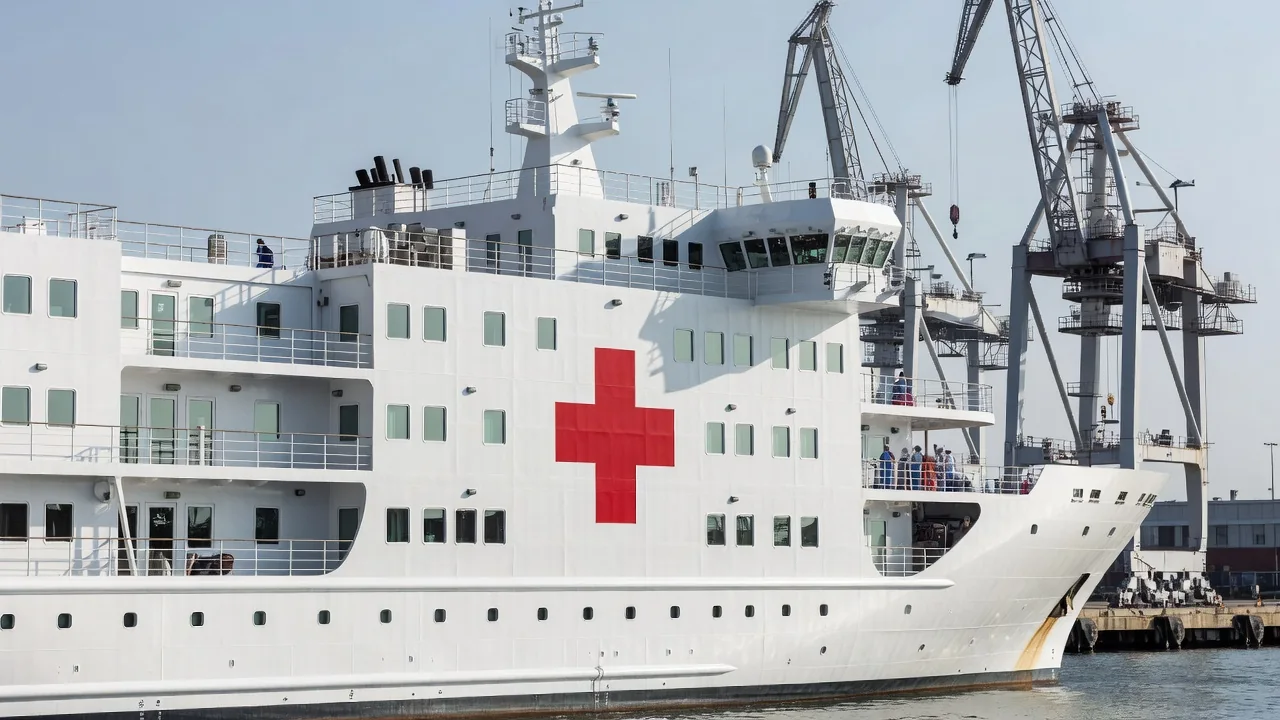
In a world where lack of access to medical care affects hundreds of millions, bringing a state-of-the-art hospital to those in need has never mattered more. For over four decades, Mercy Ships has been providing hope and healing from the decks of purpose-built hospital ships.
Since 1978, the organization has impacted more than 2.8 million direct beneficiaries through free surgeries, medical training, and infrastructure support in nations where surgical care is otherwise out of reach.
How a floating hospital works
A hospital ship carries everything a modern surgical center needs: operating theaters, recovery wards, laboratories, and imaging suites. Because the infrastructure travels with the vessel, programs can be delivered in ports where land-based facilities are scarce or overwhelmed.
- Free surgeries: cleft lip and palate repair, cataract removal, orthopedic reconstruction, and tumor removal
- Medical capacity building: training local surgeons, nurses, and biomedical technicians
- Infrastructure projects: renovating clinics and donating equipment that stays behind
The volunteer engine
Mercy Ships runs on volunteers — surgeons, anesthetists, nurses, engineers, cooks, and deck officers who create a caring community of people with shared purpose. Many describe transforming the lives of others while experiencing change in their own lives.
From making a donation to joining as a volunteer, there are many ways to give hope, and each form of support has a lasting impact on the patients and the host nation's health system.
Why surgical access matters
An estimated five billion people lack access to safe, affordable surgical care. Conditions that are routine to treat in wealthy countries — a cleft palate, a cataract, a bowed leg — become lifelong disabilities where no surgeon is available.
| Program area | What it delivers | Lasting effect |
|---|---|---|
| Direct surgery | Free operations on board | Immediate, life-changing results |
| Training | Courses and mentoring for local staff | Skills that remain in country |
| Infrastructure | Clinic renovation, equipment donation | Stronger local facilities |
A model worth watching
The floating-hospital model shows how logistics, philanthropy, and clinical excellence can combine to reach patients that conventional health systems miss. As global health partnerships deepen in 2026, hospital ships remain one of the most visible — and most effective — instruments of surgical outreach.