The Impact of Social Media and Apps on Health and Medical Devices
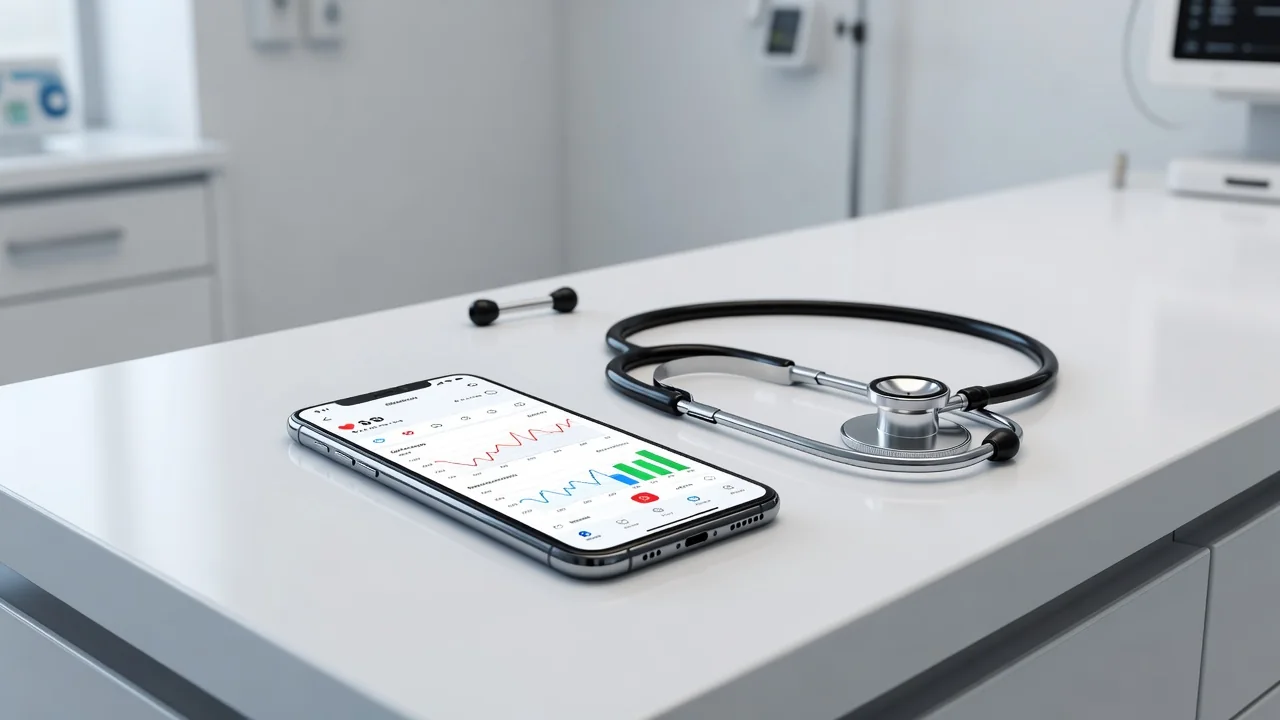
The digital health market has grown at double-digit rates for years, with the global mHealth segment forecast to climb from tens of billions of dollars in the late 2010s to well over two hundred billion by the mid-2020s. The term mHealth refers to using smartphones as tools and channels for medicine through apps that monitor fitness, well-being, and specific health conditions.
Apps drive innovation in health, directly affecting patients, improving attention from healthcare establishments, and enabling tailored treatments and follow-up. The World Health Organization has acknowledged the role of mobile devices in medical practice, and social networks have become spaces where medical conditions are discussed outside the doctor's office.
The upside: education and connection
Social media users — particularly health coaches and influencers — share their experiences and educate others with similar conditions. These platforms allow people to report personal experiences, ask questions, and receive direct feedback about conditions and potential treatments.
- Access to educational resources for providers and patients
- Online communities for continuous physician education
- Physician-to-physician consultation across borders
- Patient support groups that reduce isolation
The downside: manipulation and misinformation
Digital-health experts warn that social networks give us tools to connect and share know-how, but also expose us to manipulation. These platforms are designed to capture attention, using persuasion strategies fed by algorithms that sometimes promote ideas with detrimental effects.
Prescription medicines are promoted for aesthetic uses, while homeopathy, flower remedies, and other alternative therapies without scientific evidence are marketed as cures. The repetition of messages presented in different ways can lead people to believe things that are untrue — a mix of social media and fake news whose impact on public health is highly problematic.
Real-world consequences
The real problem lies in the expectations created by false promises, which often delay effective medical treatment. The well-known case of Steve Jobs, who postponed treatment for pancreatic cancer on the advice of a spiritual teacher, shows how delay can cost lives — today's equivalent advice spreads through social feeds at industrial scale.
Benefits and risks at a glance
| Dimension | Benefit | Risk |
|---|---|---|
| Information | Fast access to health knowledge | Misinformation and fake news |
| Community | Peer support and shared experience | Echo chambers for harmful practices |
| Monitoring | Apps track conditions continuously | Privacy and data-security exposure |
| Professional use | Physician networks and education | Blurred line between advice and advertising |
A critical mindset for 2026
The lesson from digital-transformation leaders is clear: develop critical awareness to ensure the information we consume is real and does not harm us. Be careful with what you share and consume, and understand that you often have to read between the lines to find the truth.