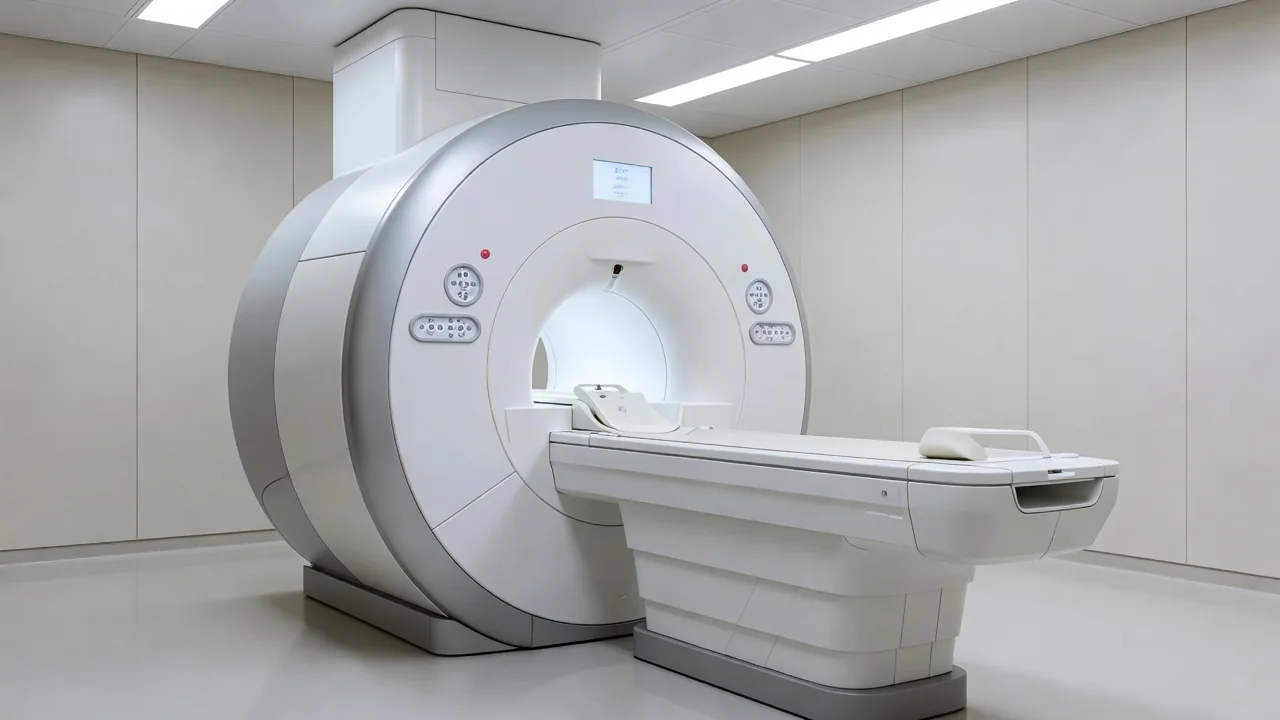
Feasibility of Economic Evaluations of Medical Devices
Medical devices have considerable potential to deliver economic value for healthcare: they extend and improve quality of life, generate savings in the use of other resources, and enable new ways of organizing care. Yet the economic evaluation of devices remains far less developed than the equivalent processes used for pharmaceuticals.
Decision-makers increasingly demand evidence on the effectiveness and cost-effectiveness of medical technologies, given the noticeable pressure on healthcare budgets. This article summarizes why evaluating devices is harder than evaluating drugs, and what a practical assessment framework should include in 2026.
Why devices are different from drugs
Several characteristics of medical devices pose challenges to any economic evaluation. Clinical outcomes often depend on the training, competence, and experience of the end-user. Pricing is typically more dynamic than that of pharmaceuticals, and costs comprise both procurement costs (including infrastructure) and running costs such as maintenance and consumables.
- Clinical outcomes depend on operator training, competence, and experience
- Pricing is more dynamic than pharmaceutical pricing and erodes faster
- Costs combine procurement, infrastructure, maintenance, and consumables
- Devices are frequently modified and improved during their lifecycle
The evidence problem at market entry
Medical devices often have a weak evidence base at market entry. When evaluating a new device, a balance must be struck between data availability and the timeliness of the evaluation. Reliance on observational and small or non-blinded studies translates into greater parameter uncertainty and threatens the validity of cost-effectiveness calculations.
Determinants such as user skill and organizational factors confound generalizability, because these determinants vary between healthcare settings. An accurate cost analysis can be a complex undertaking due to the number and shared character of relevant cost items associated with device use.
Exogenous and device-specific factors
Four exogenous factors may jeopardize a thorough economic evaluation: the regulatory framework, the structure of the device industry, market constraints on clinical trial design, and the timing of reimbursement decisions. Together they hinder the quality and timeliness of available data.
Device-specific factors add further challenges. Reusability complicates the attribution of fixed costs, procedural integration blurs the line between device and procedure, and temporal changes in performance determinants mean that cost-effectiveness estimates can have a limited shelf-life.

A practical evaluation framework
Health systems that succeed with device evaluation tend to combine several instruments rather than relying on a single study. The table below summarizes the main elements of a pragmatic framework used by hospital value-analysis committees.
| Element | Purpose | Typical output |
|---|---|---|
| Budget impact analysis | Affordability for the hospital or payer | Cost per year and per department |
| Cost-effectiveness model | Value compared with alternatives | Cost per QALY or per outcome |
| Real-world evidence review | Performance outside trials | Registry and observational data |
| User training assessment | Operator-dependent outcomes | Competency requirements |
| Lifecycle cost plan | Maintenance, consumables, upgrades | Total cost of ownership |
Conclusion
An economic evaluation based on poor-quality clinical studies may understate or overstate the true cost-effectiveness of a device. Even good data will not suffice if the quantity of evidence is too small: uncertainty about cost-effectiveness then translates into uncertainty about reimbursement.
Two unfavorable scenarios are possible — reimbursing a device that should have been rejected, or rejecting one that should have been adopted. Both waste resources and can cause health loss by diverting funds from more cost-effective interventions. A structured, transparent framework is the best defense against both errors.