Smart Medical Devices: The New Health Tech
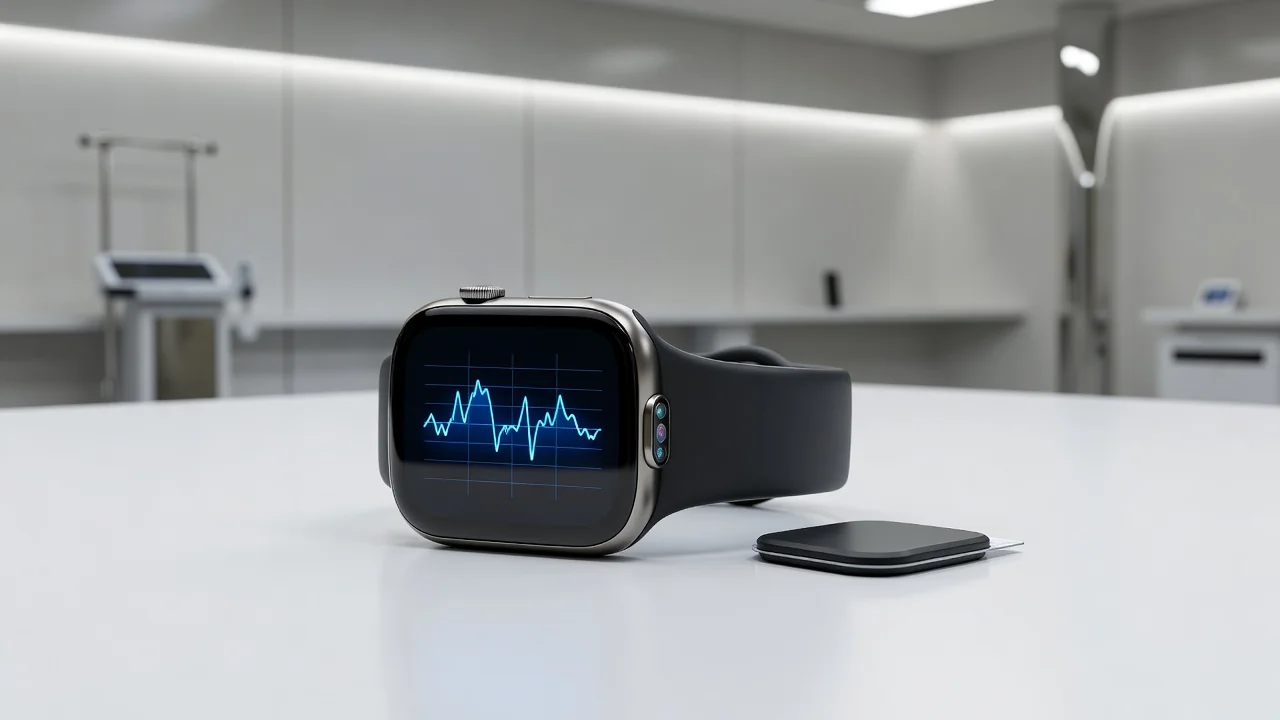
The integration of technology in medicine is advancing apace, and with the arrival of smart medical devices the health sector has made a sharp turn. Clinicians can use wireless devices to monitor patients' health in real time, compiling, analyzing, and storing data accessible from a smartphone, tablet, or computer.
Smart medical devices were created to increase human care capabilities rather than replace them. A key feature is that they can be used both by doctors and by patients themselves.
Key advantages of connected devices
The advantages of this technology reach from the hospital ward into the patient's home:
- They enable various types of diagnosis without requiring patients to leave the house
- They are vital for people with conditions that need constant follow-up, such as diabetes and heart failure
- They provide guidance that helps patients follow the required treatment
- They manage available medical resources efficiently, reducing service costs
- They are intuitive, meaning they are easy for almost anyone to use
A rapidly growing market
Hospitals across emerging regions are incorporating new technologies as internet and smartphone usage grows. Market studies have projected double-digit compound annual growth for smart hospital technology, with the smart hospital market in Latin America alone expected to grow at roughly 15 percent per year.
The global market for smart medical devices is segmented by product type — from portable oxygen concentrators and ventilators to wearable monitors and connected infusion systems — and competition among manufacturers intensifies with every product cycle.
The Internet of Medical Things
It is impossible to talk about health technology without mentioning the Internet of Things. The "Internet of Medical Things" (IoMT) is the integration of connected devices, software, and care methods that together optimize patient health and enhance quality of care, while allowing vast amounts of patient data to be mined for fast, accurate diagnoses.
Security must evolve with connectivity
With devices connected to our bodies come legitimate concerns about security. The health sector finds itself in a vulnerable position because of increased interconnectivity and lagging cybersecurity. The evolution of smart medical devices must go hand in hand with patient data security — an opportunity for companies specializing in this field.
Device categories and typical uses
| Category | Typical use | Setting |
|---|---|---|
| Wearable monitors | Heart rate, glucose, activity tracking | Home and ambulatory |
| Portable oxygen and ventilation | Respiratory support | Home and transport |
| Connected infusion systems | Precise medication delivery | Hospital |
| Remote diagnostic kits | Teleconsultation support | Rural and home care |
Around a third of the population in many emerging markets still lacks reliable access to care. Limited resources and low doctor-to-population ratios could be a powerful driver for smart medical devices that extend the reach of existing clinicians.