Plan for Your MRI Machine Upgrade
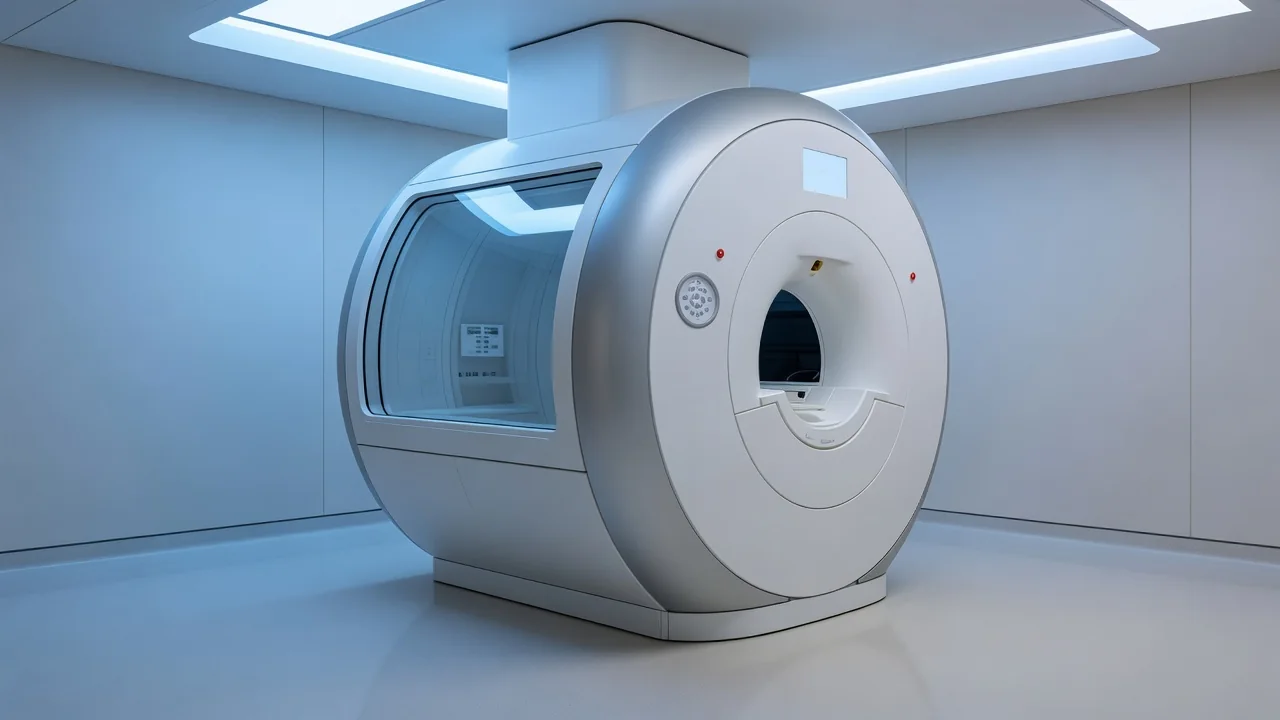
Some facilities have run the same MRI machine for a very long time, and the imaging suite may have outgrown the first purchase. Planning an upgrade is not only a question of choosing a new scanner: the site was likely built around the original system, and replacing it can involve removing walls and doors or re-routing shielding and cooling.
A structured upgrade plan protects the budget, keeps downtime short, and preserves the resale value of the existing system. This guide walks through the main steps imaging departments should follow in 2026.
Assess the installed base first
Before requesting quotes, document the current system: age, software level, coil inventory, service history, and helium consumption. A scanner with a strong service record and popular coil set is easier to resell and easier to compare against replacement candidates.
- Record system age, software version, and coil inventory
- Pull five years of service reports and uptime statistics
- Measure exam volumes and referral patterns by modality
- Check siting constraints: shielding, quench pipe, floor loading
Know what your used MRI is worth
Selling your MRI machine means knowing its worth. The older the model, the less it is worth — but that does not necessarily mean a great loss. If your used scanner is a commercially popular model with an active secondary market, chances are you will get a better deal for your pre-owned imaging equipment.
Refurbished and used MRI systems form an active global market. Getting an independent valuation before negotiating a trade-in prevents the buy-back price from quietly subsidizing an inflated quote on the new system.
Plan the site work early
You can count on experienced rigging teams to help remove the old imaging equipment and install the new purchase, but the facility work is on you. You may have to remove walls and doors, widen access routes, upgrade electrical service, or rework the HVAC around the device.
Typical upgrade timeline
| Phase | Key activities | Typical duration |
|---|---|---|
| Assessment | Installed-base audit, valuation, clinical requirements | 4–8 weeks |
| Procurement | Tender, quotes, contract and service terms | 8–12 weeks |
| Site preparation | Construction, shielding, electrical and HVAC | 6–14 weeks |
| De-install and install | Rig-out, rig-in, calibration, acceptance testing | 2–4 weeks |
| Ramp-up | Staff training, protocol transfer, go-live support | 2–6 weeks |
Budget beyond the sticker price
The scanner price is only part of the total. Include siting works, coil purchases, service contracts, injector and monitoring compatibility, and the cost of downtime during the changeover. A realistic budget typically adds 15–25 percent on top of the equipment quote.
Finally, treat the old system as an asset, not scrap. Selling it into the secondary market, or trading it against certified refurbished equipment, recovers capital that can fund the next generation of imaging technology in your department.